Pet Positive Blogcast
Written by Liz Fisher, CSAT, CPDT-KA

The Basics of Training: A Primer for Dog Separation Anxiety Protocol
I explain operant and classical conditioning and how to ethically help dogs with big feelings improve not only their behavior - but their root feelings about triggers. There are compassionate and ethical ways to change big behaviors. This explanation may also help you know which "training" advice to follow, and which to skip.
Why did my dog start behaving this way?!?
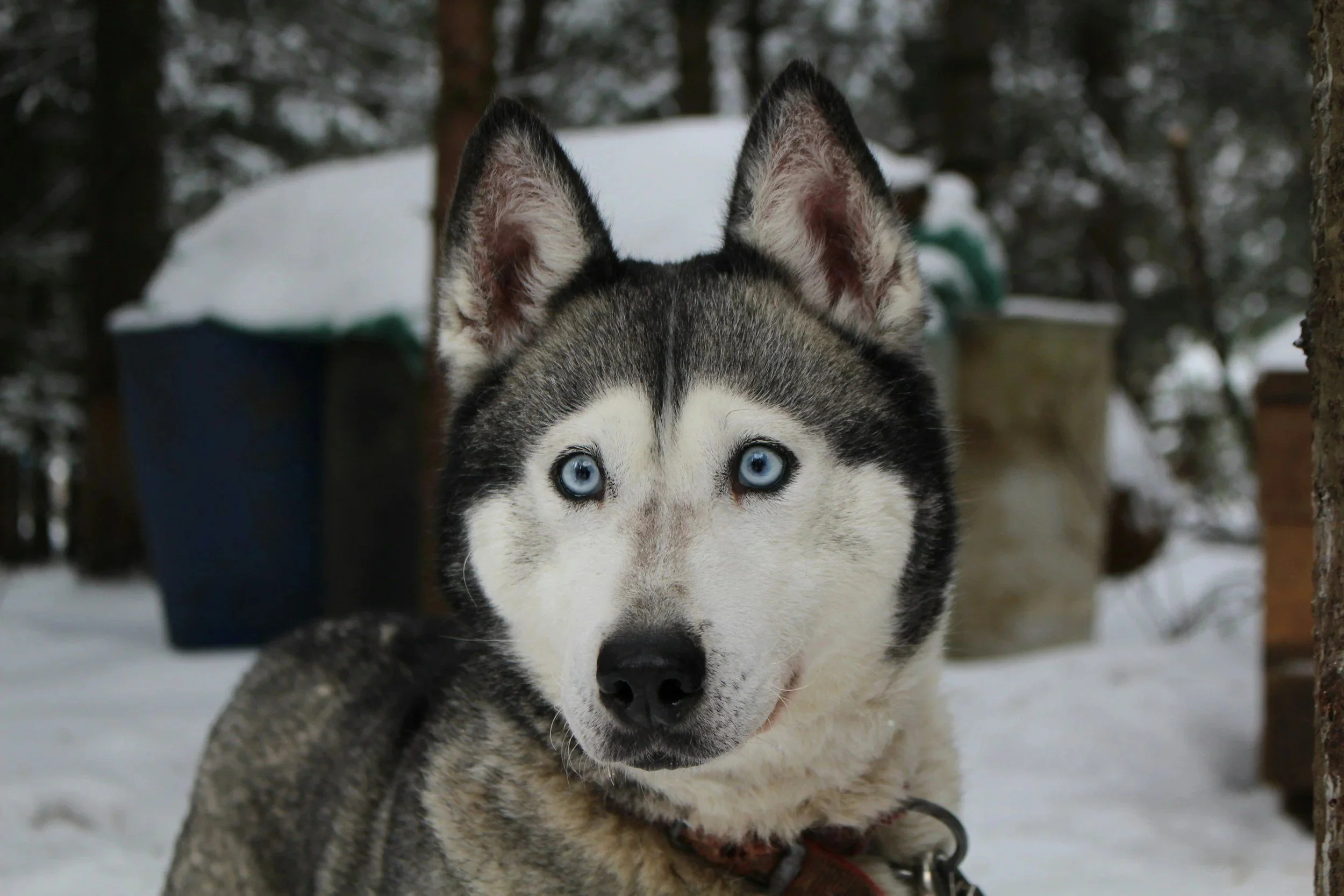
Some dogs may seem to suddenly develop separation anxiety, reactivity, or other surprising and undesirable behaviors.
When deciding what training or management to use, consider possible causes of the behavior change.
Body or health changes, Changes to schedule or household dynamics, New or bad experiences, Age, or Unrecognized/Ignored body language communication could all be factors.
Separation anxiety in multi-pet households
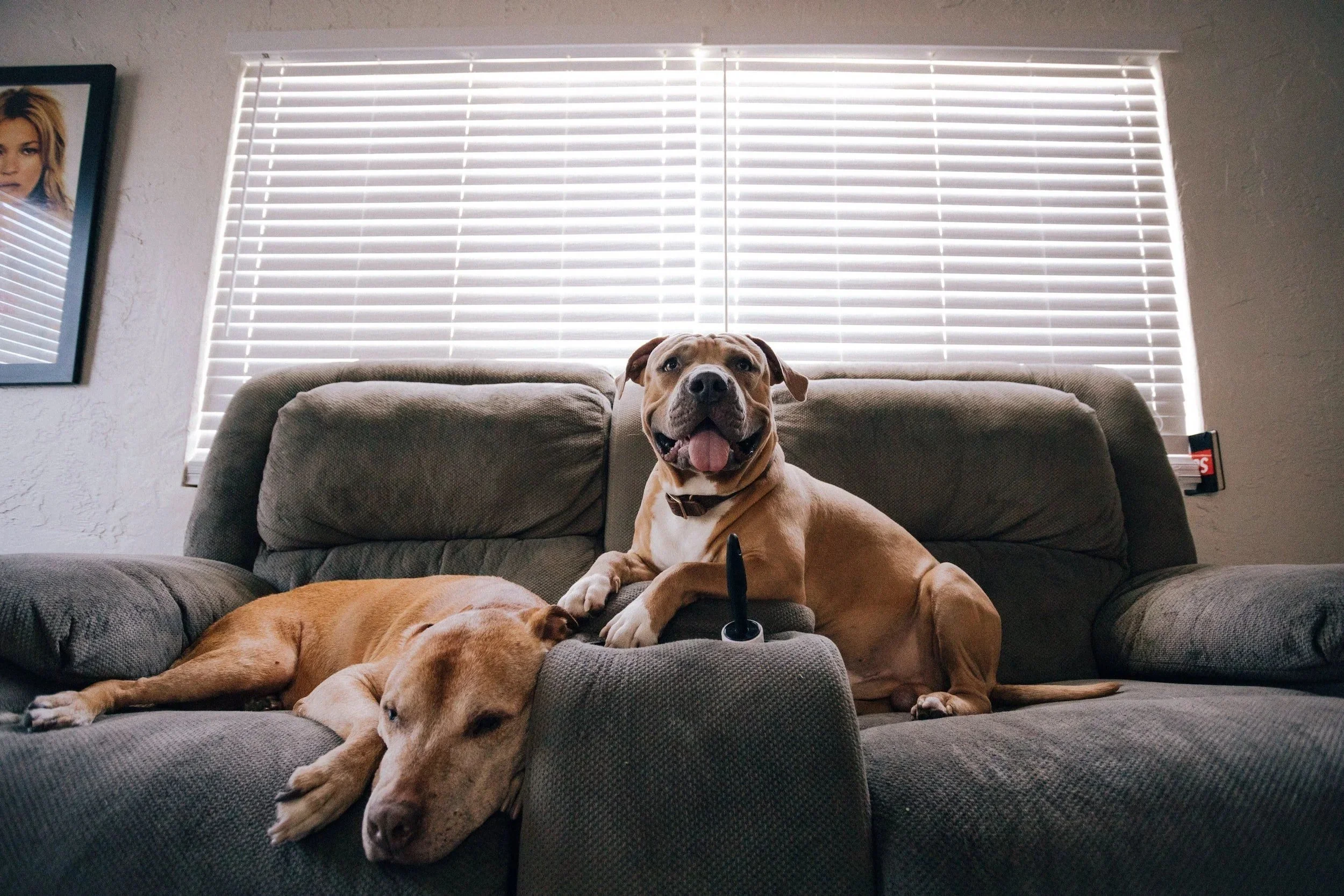
Having multiple dogs or multiple pets can make identifying and treating separation behavior issues feel a bit overwhelming… but it can be done! While you can just throw a camera up and see what happens when you are away, you should consider a few things. Let’s start with safety, confinement training, and whodunnit?

Growling… Is a GOOD thing!
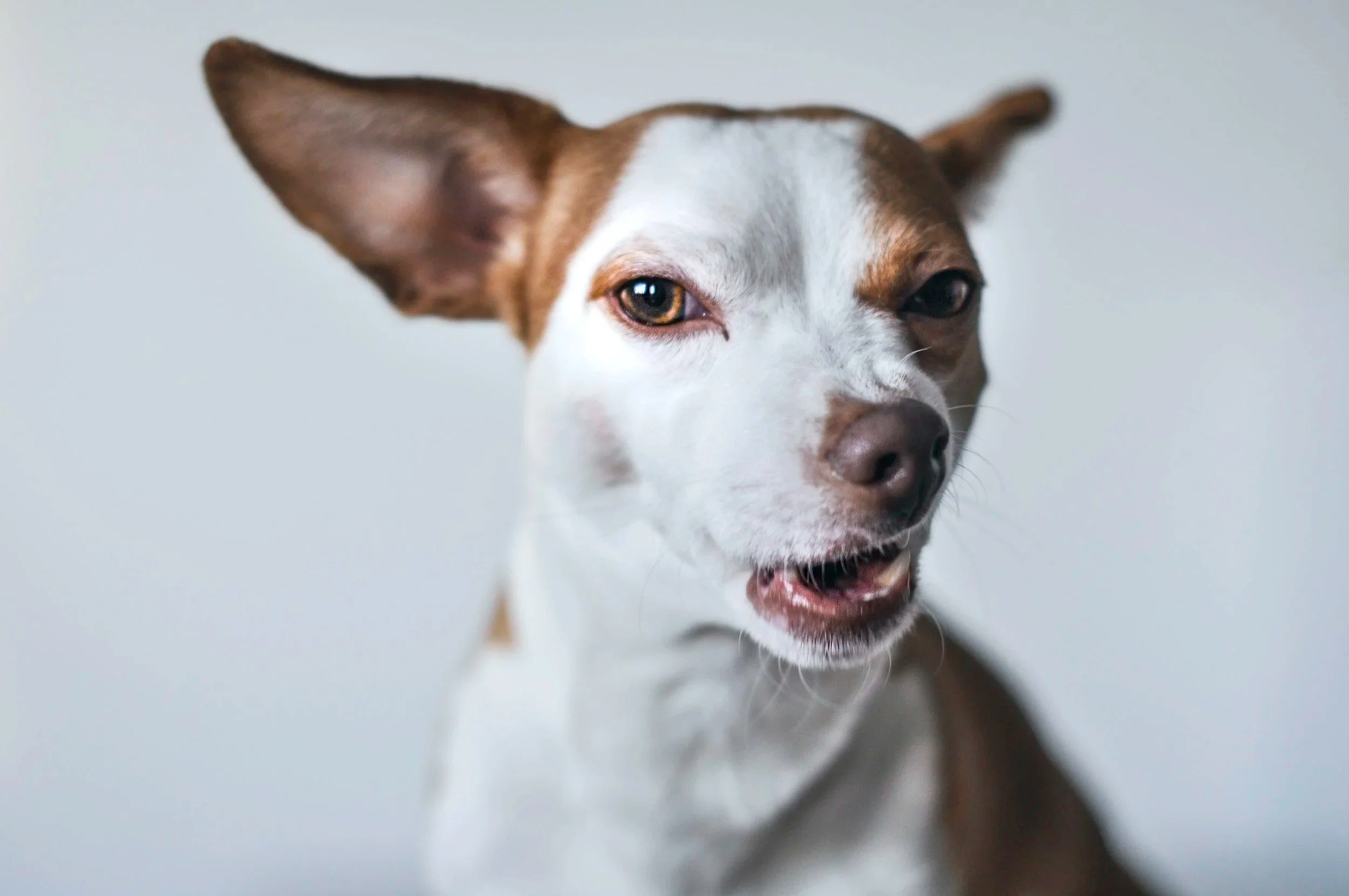
It may be spooky or uncomfortable but RULE #1 from this trainer: Never Correct a Growl. A growl is an audible and obvious sign that your dog is uncomfortable and needs something to change.
Both Reactive and Lonely
Usually this means that you are also beginning your training by building your dog’s inner circle of trusted folks.