
Destruction While Alone - Separation Anxiety or Something Else?
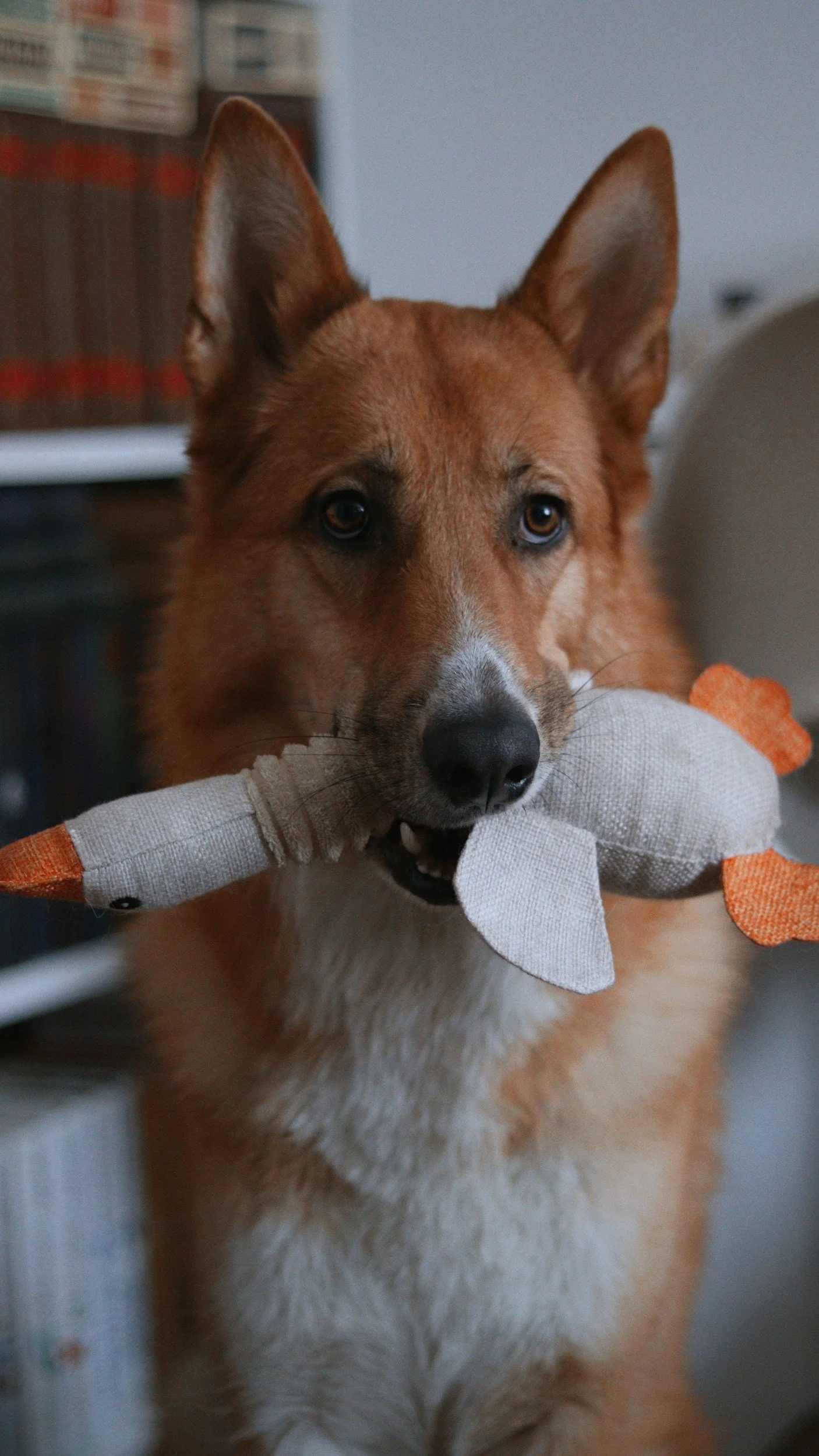
Dogs who are home alone sometimes destroy things. For example, pet parents may return home to find a ripped-up couch, a destroyed remote, the window sill chewed, or curtains ripped off the windows.
This post explores some common misconceptions behind this behavior, and how they relate to possible separation anxiety.
Dogs may engage in destructive behavior for a few different or co-existing reasons. Before diving into those, I need to address some common myths around destruction. Dogs do not chew or shred items out of “anger,” “spite” or “stubbornness.” These are understandable misattributions and I don’t judge anyone for thinking them. From a human point of view it looks like a clear motive, from a dog point of view the motive and sequence of events is totally different. There are two key things about dogs to understand:
Many unwanted dog behaviors are related to under or over-stimulation
Dogs do a lot of their interaction with the world using their mouth
Looking at these factors together - we get a different explanation for chewing and ripping down curtains. Chewing and shredding are natural behaviors and generally serve a function even if the results are undesirable. That function is generally not to communicate anger.
This list breaks down more likely reasons for destructive behavior and how to get started with possible solutions. In extreme cases it is important to seek help from a qualified trainer (like me!) and/or veterinarian.
Separation Anxiety
If your dog is experiencing anxiety and panic due to alone time, destruction is a common symptom. Keep in mind – this destruction is not a choice; it is an involuntary response to intense fight/flight instincts.
Function: Destruction due to panic or anxiety can be attempted self-soothing, an escape/flight behavior, or an involuntary response to fight/action urges from their sympathetic nervous system.
It is extremely important to avoid punishing your dog for destruction caused by separation anxiety – suppressing or punishing this type of response usually either has no effect since it is not a choice OR causes the dog to express their panic in other, also undesirable, ways (like losing bowel control or switching to extreme vocalization and pacing which is less “destructive” but still the same level of panic).
I do recommend signing up for my Initial Assessment (LINK) if you suspect your dog might have separation anxiety – I offer it for free right now because I want answers to be accessible to everyone.
Age
Puppies and adolescents naturally explore their world with their mouth AND have some crazy sensations going on while they lose and grow new teeth or have other body aches and changes.
Function: Relieve aching gums while losing baby teeth or growing in adult teeth, Something interesting to do while bored (especially adolescents 6 months – 2 years old), Feeling unwell, understimulated, or overstimulated and trying coping mechanisms like chewing
Management is your friend with age-related chewing. Make sure your young dog always has access to “legal” chews that they can do whatever they want with safely. Use barriers, gates, doors, or crates to manage their access to things they should not be chewing or playing with. It does take training and patience to get your dog used to these types of confinement. You can also work with a trainer to help teach your pup to choose their items to chew and grab instead of your items, keep 4 paws on the floor instead of counter surfing, and relaxation skills - all of which take practice and consistency.
Unmet Needs
Sometimes we don’t realize that our dog needs something until there are undesired consequences. While this reason might seem more like a “choice” because a dog could be having a good time while doing the destruction - it’s super important to remember that physical, emotional, and psychological needs are just that - NEEDS for a dog to be healthy and happy.
Function: Expressing natural prey drive instincts like running, chewing, and shredding that aren’t getting another outlet, Entertaining themselves when bored or understimulated, Coping when overstimulated by environmental triggers like sights or sounds - and they need help learning how to cope in other ways
This is such a broad category! Meeting any dog’s needs means trying out different stuff to see what works for you and them. Needs that may need to be met: types of enrichment, exercise, hunger, social interaction (human and/or dog depending on the individual), going new places, trying new things, learning new things, learning coping skills, and more.
How to Tell
If you come home to find destruction but aren’t sure why your dog is doing it - I recommend either signing up for an Initial Assessment (LINK) or setting up your own camera(s) to see what they are doing while you are out. Observing their body language and other behavior while chewing is happening may provide some insight into which of these may be contributing causes.
Do they have loose, wiggly, and goofy body language? Are they being super silly and joyfully running around playing with that pillow or shoe? This type of body language could point to age appropriate exploration or unmet needs that need an outlet and new skills.
Are they stiff, panting, salivating, pacing, quietly whimpering, or howling in between chewing bouts? Or standing statue-still before and after the chewing? You probably want to sign up for my initial assessment because these could all indicate anxiety and a need for a very careful approach to help your dog feel better.
My Final 2 Cents
I hope this gave you some insight into destructive behavior, particularly while a dog is alone. Remember that behavior is generally serving some function. It may not be safe or what we want our dogs to do - but it isn’t random.
We cannot ask dogs to simply turn off their drive or desire to practice and express these behaviors. What we CAN do is help them have all their needs met whether that is learning how to be comfy when alone or the time and activities they need to stay happy and healthy.
Happy Training!
