
Pet Positive Blogcast
Written by Liz Fisher, CSAT, CPDT-KA
Desensitizing Your Separation Anxiety Dog to Your Keys - Myth Busting
As a certified separation anxiety trainer, the way I help dogs feel better about their people leaving is by very gently, over time – and based on the individual dog’s behavior and body language – help them feel safe about being alone at all and then helping them feel better about the things that predict that (now safe) alone time. I use extremely careful systematic desensitization to the entire picture of humans leaving a dog alone which includes things like keys, locking the door, putting on shoes, and the actual duration of the alone time.
The Basics of Training: A Primer for Dog Separation Anxiety Protocol
I explain operant and classical conditioning and how to ethically help dogs with big feelings improve not only their behavior - but their root feelings about triggers. There are compassionate and ethical ways to change big behaviors. This explanation may also help you know which "training" advice to follow, and which to skip.
Destruction While Alone - Separation Anxiety or Something Else?
Dogs who are home alone sometimes destroy things. For example, pet parents may return home to find a ripped-up couch, a destroyed remote, the window sill chewed, or curtains ripped off the windows. This post explores some common misconceptions behind this behavior, and how they relate to possible separation anxiety.

Judgment Free Separation Anxiety Training
In this blogcast I talk about how I create a safe and supportive learning environment for you while you work on dog separation anxiety training.
I encourage questions and conversation with transparency,
Focus on your dog and your needs for training,
Keep your information safe and private, and
Have an open mind and a lot of passion for supporting all my clients.
Weather and Separation Anxiety Training
Weather is completely out of our control! But that doesn’t mean we can’t help our dogs learn how to feel better while alone during weather events. Learn about how to adjust to and account for weather during your separation anxiety training. Plus, get some ideas about how to help your dog feel calmer while alone and during weather events like storms, thunder, lightning, rain, and more!
So how does Pet Positive Training’s separation anxiety program work?
Our hybrid training and education program lets you affordably work one-on-one with a dog separation anxiety expert. Start your training right with a behavior assessment. Then 5 Months of learning Modules get lower in price while you start training your dog more independently with all the skills and support you need. After the 5 month program you are empowered with everything you need to decide what level of ongoing certified separation anxiety trainer support makes sense for you, your dog, and your budget. Learn more about the Dog Separation Anxiety Training Program and how it helps relieve stress and anxiety for both you and your dog.

Music and Sound for Anxious Dogs
While music or sound will not solve your dog’s anxiety or separation anxiety on its own, it can be an amazing tool to help your training! However, learn to know what products for anxious dogs are good and which are no good. Do NOT use the RelaxoPet Pro as this product uses inappropriate and potentially dangerous high frequency sounds instead of only relaxing music.
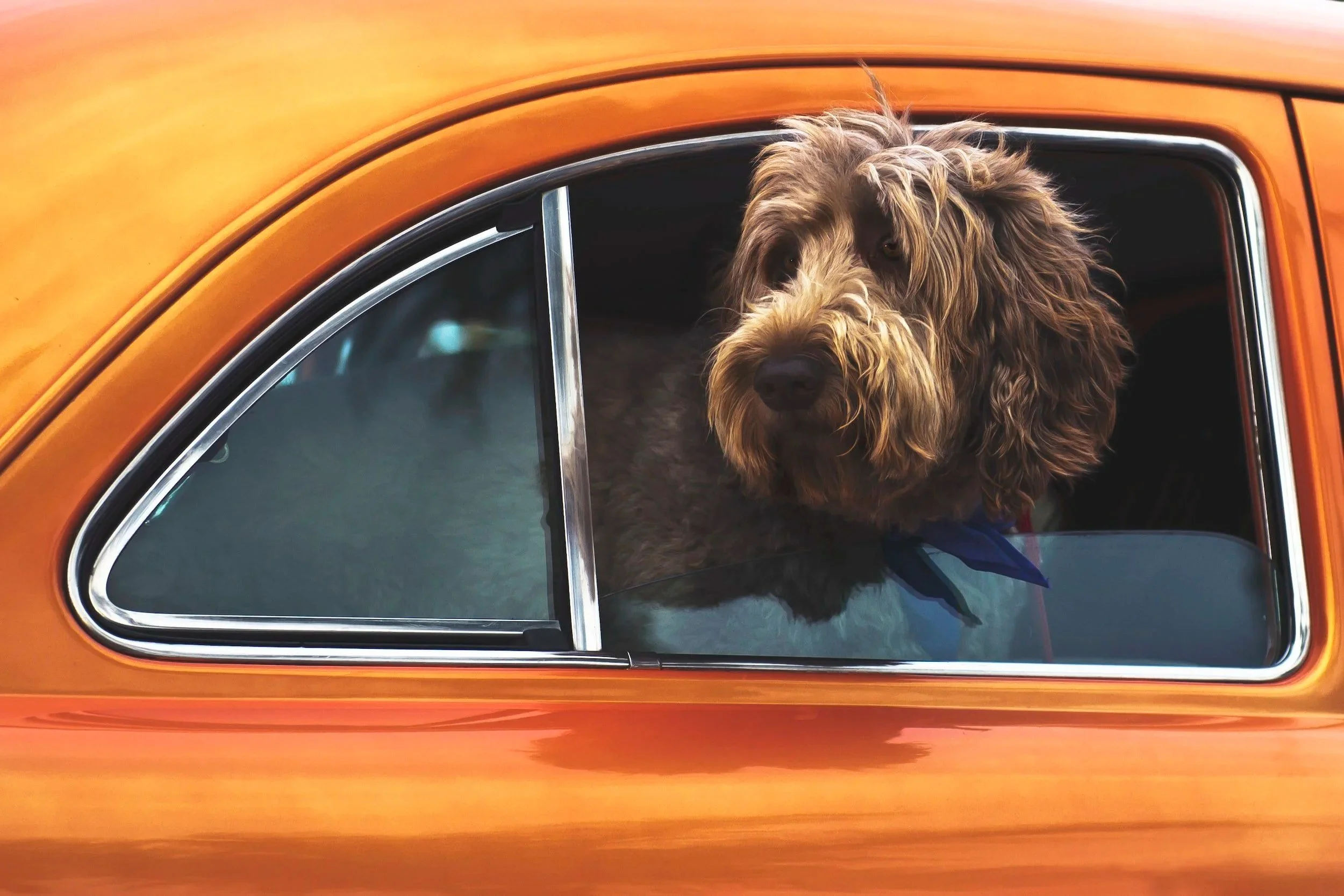
Creative ways to “suspend absences” during separation anxiety training for dogs
In order to start a separation anxiety protocol for your dog(s) you first need to stop exposing them to the thing that is making them so upset - being alone. This looks different for every dog but these are my go-to recommendations.
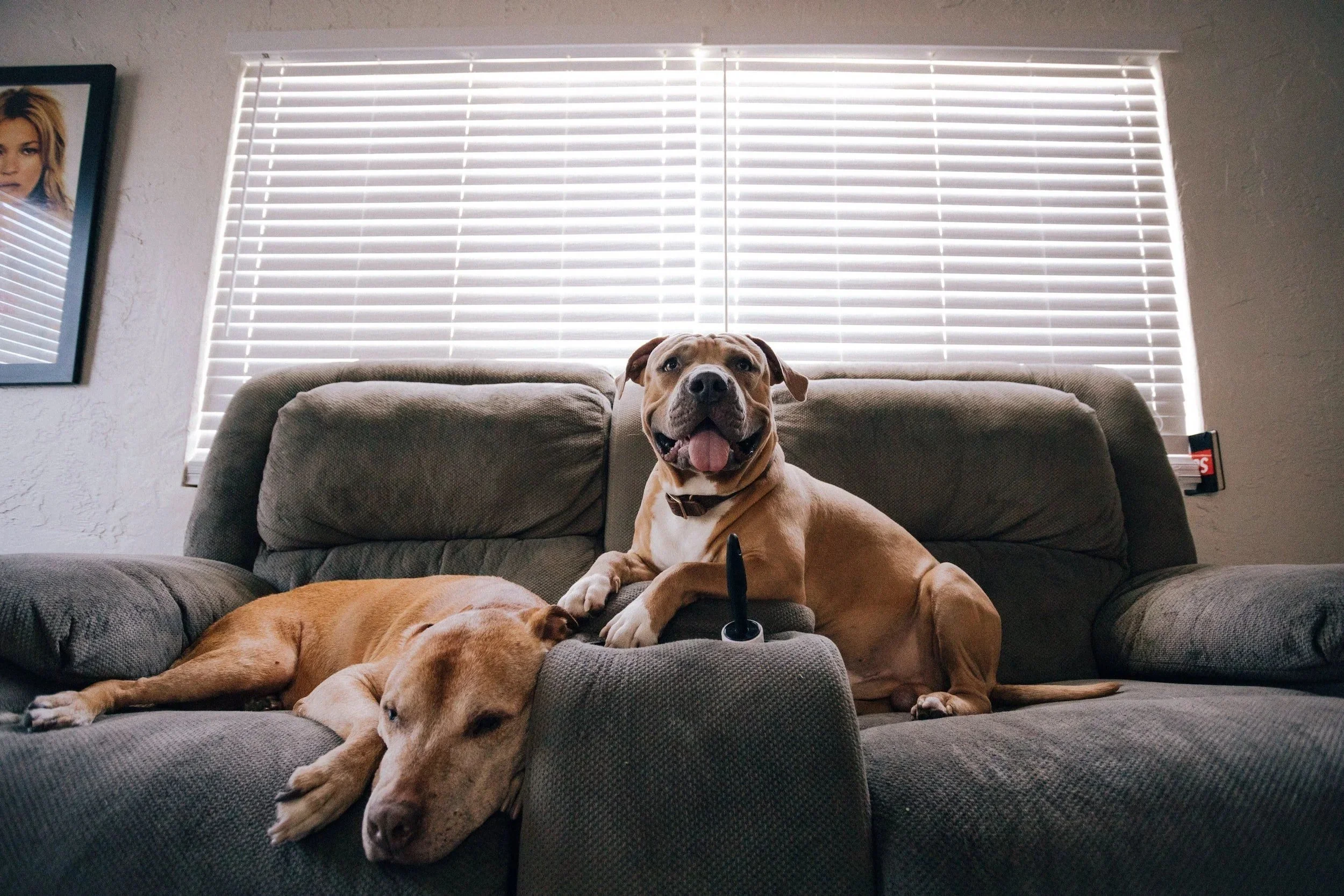
Separation anxiety in multi-pet households
Having multiple dogs or multiple pets can make identifying and treating separation behavior issues feel a bit overwhelming… but it can be done! While you can just throw a camera up and see what happens when you are away, you should consider a few things. Let’s start with safety, confinement training, and whodunnit?
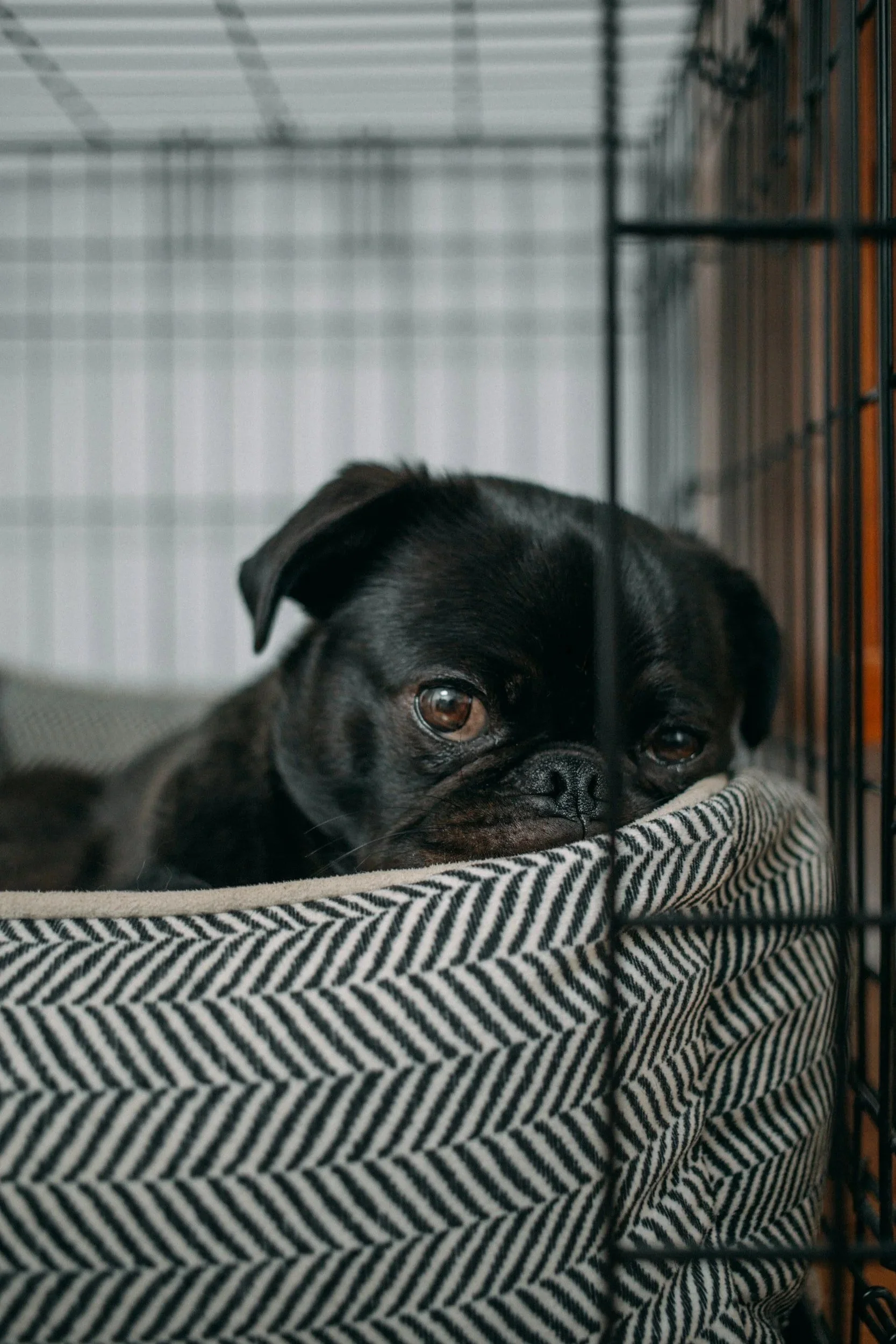
Confinement and Separation Anxiety
If your dog chews on inappropriate things even when you are home then that is a safety that needs to be managed during separation training. That may look like management via putting things away or in containers. But that may also look like a type of confinement away from areas or items that could be potentially dangerous…

Should my older dog be assessed for separation anxiety?
Most often for older dogs who have separation issues pop up, we see barking, howling, whining, soiling the house, and restlessness or inability to settle. These are the same signs of separation anxiety or separation issues as in younger dogs… but that may not be the whole story.

How to begin separation anxiety training
Starting to help a dog feel better with alone time begins with 3 major parts.
Never leaving the dog alone for longer than they can handle
Learning dog body language and YOUR dog’s body language
Seeking professional help when you need it