Pet Positive Blogcast
Written by Liz Fisher, CSAT, CPDT-KA
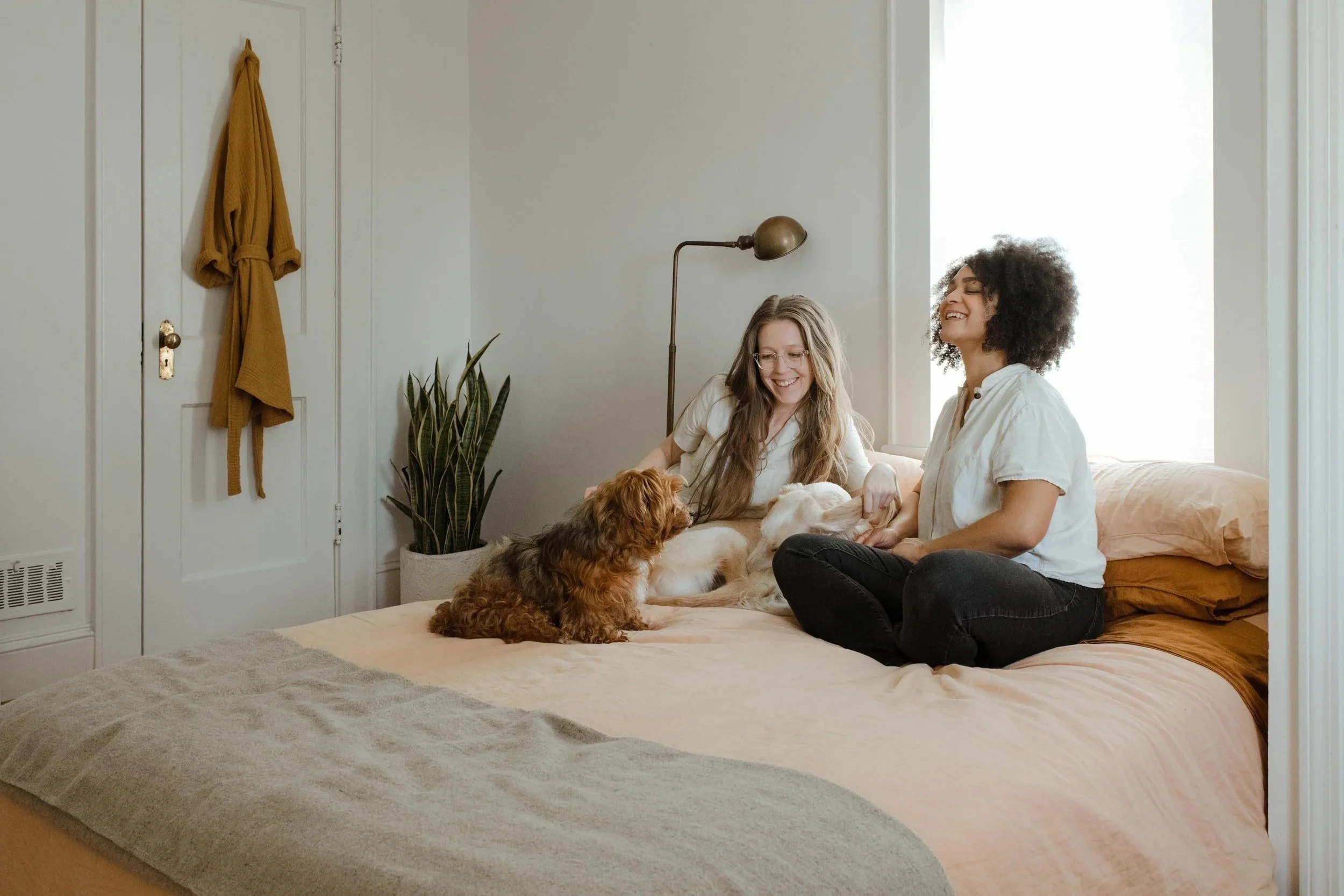
The Basics of Training: A Primer for Dog Separation Anxiety Protocol
I explain operant and classical conditioning and how to ethically help dogs with big feelings improve not only their behavior - but their root feelings about triggers. There are compassionate and ethical ways to change big behaviors. This explanation may also help you know which "training" advice to follow, and which to skip.
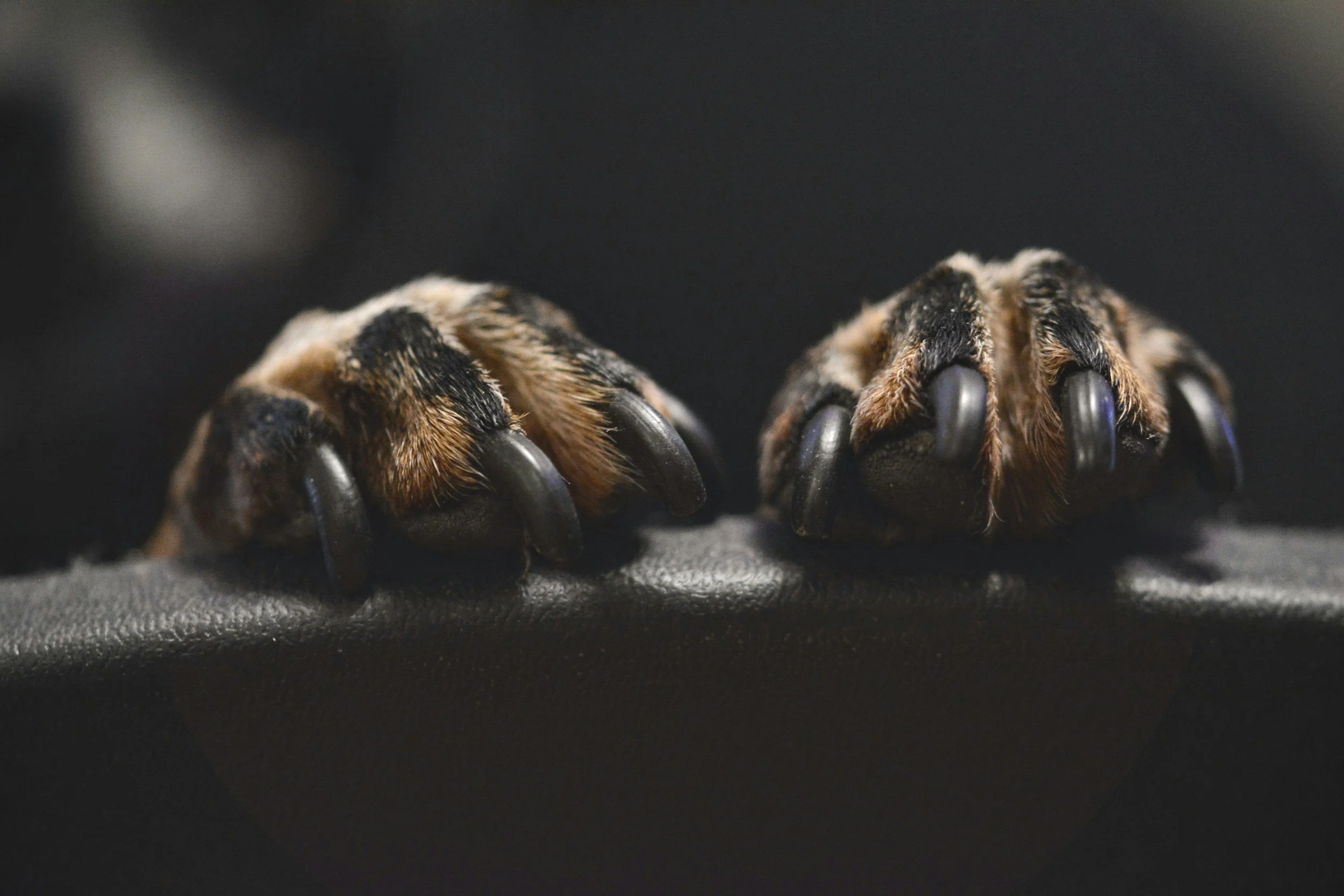
Scratchboard - Dog Nail Trim Solution!
Some dogs are extremely sensitive and need a little extra care and training with their paws and nails. I talk through what scratchboards are and how to teach your dog to use them for both front and back nails!
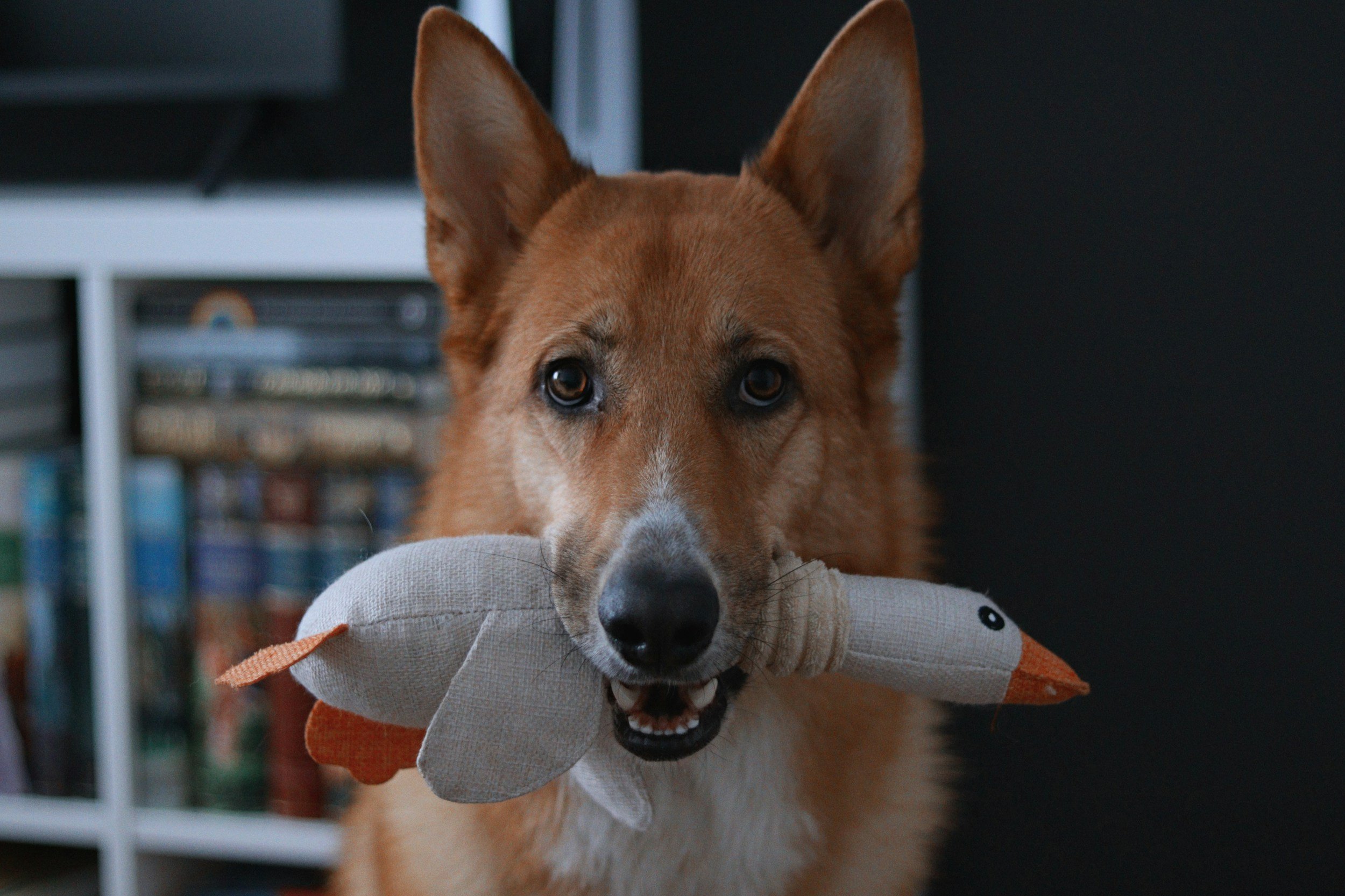
Destruction While Alone - Separation Anxiety or Something Else?
Dogs who are home alone sometimes destroy things. For example, pet parents may return home to find a ripped-up couch, a destroyed remote, the window sill chewed, or curtains ripped off the windows. This post explores some common misconceptions behind this behavior, and how they relate to possible separation anxiety.
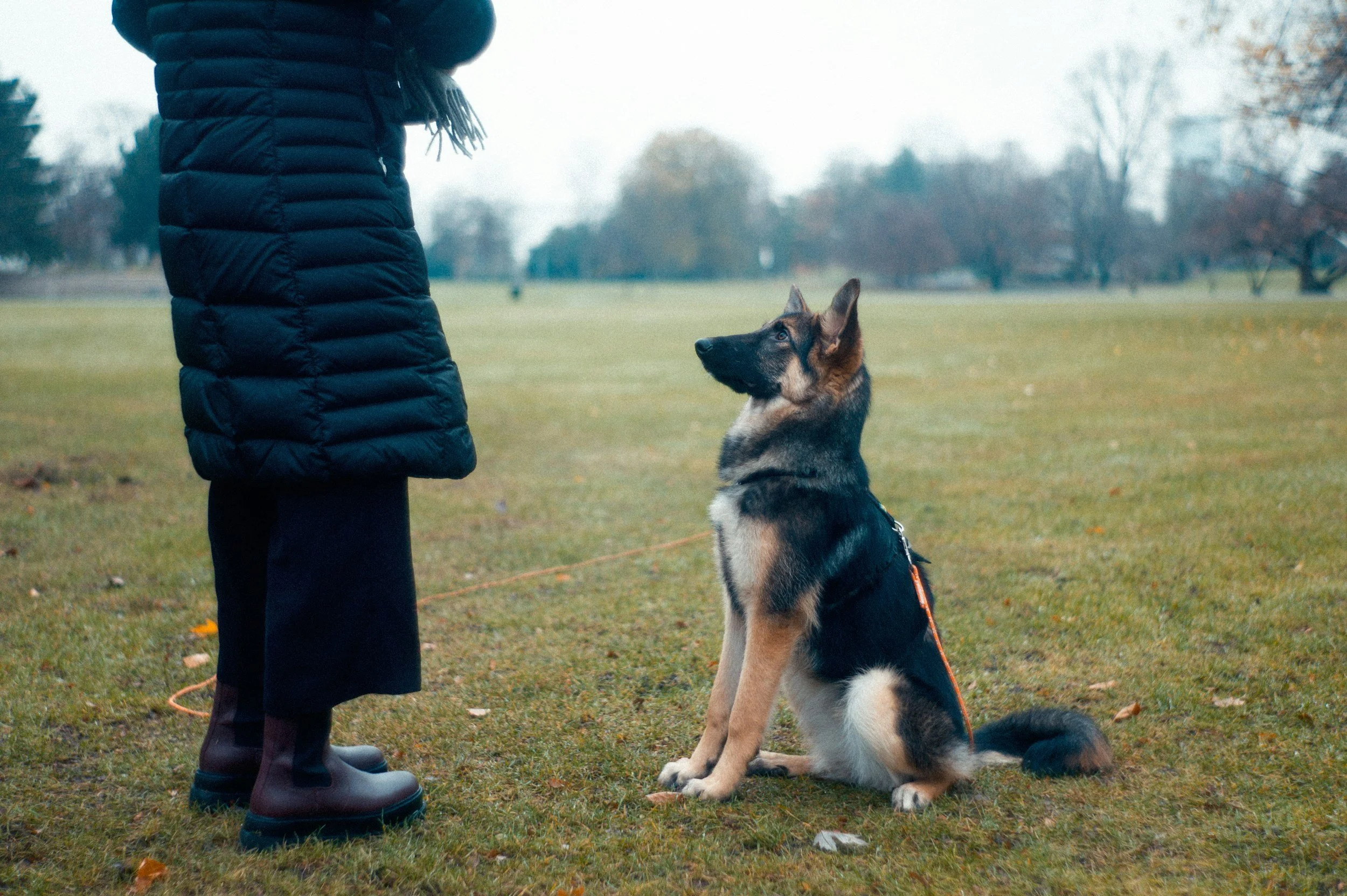
My Top 4 Impulse Control Games for Dogs
Teach your pup how to resist those automatic impulses - grab the food, mouth the leash, play with trash! I have SO many games and exercises in my repertoire, these are some of my 4 favorites for dogs of all ages!

Judgment Free Separation Anxiety Training
In this blogcast I talk about how I create a safe and supportive learning environment for you while you work on dog separation anxiety training.
I encourage questions and conversation with transparency,
Focus on your dog and your needs for training,
Keep your information safe and private, and
Have an open mind and a lot of passion for supporting all my clients.
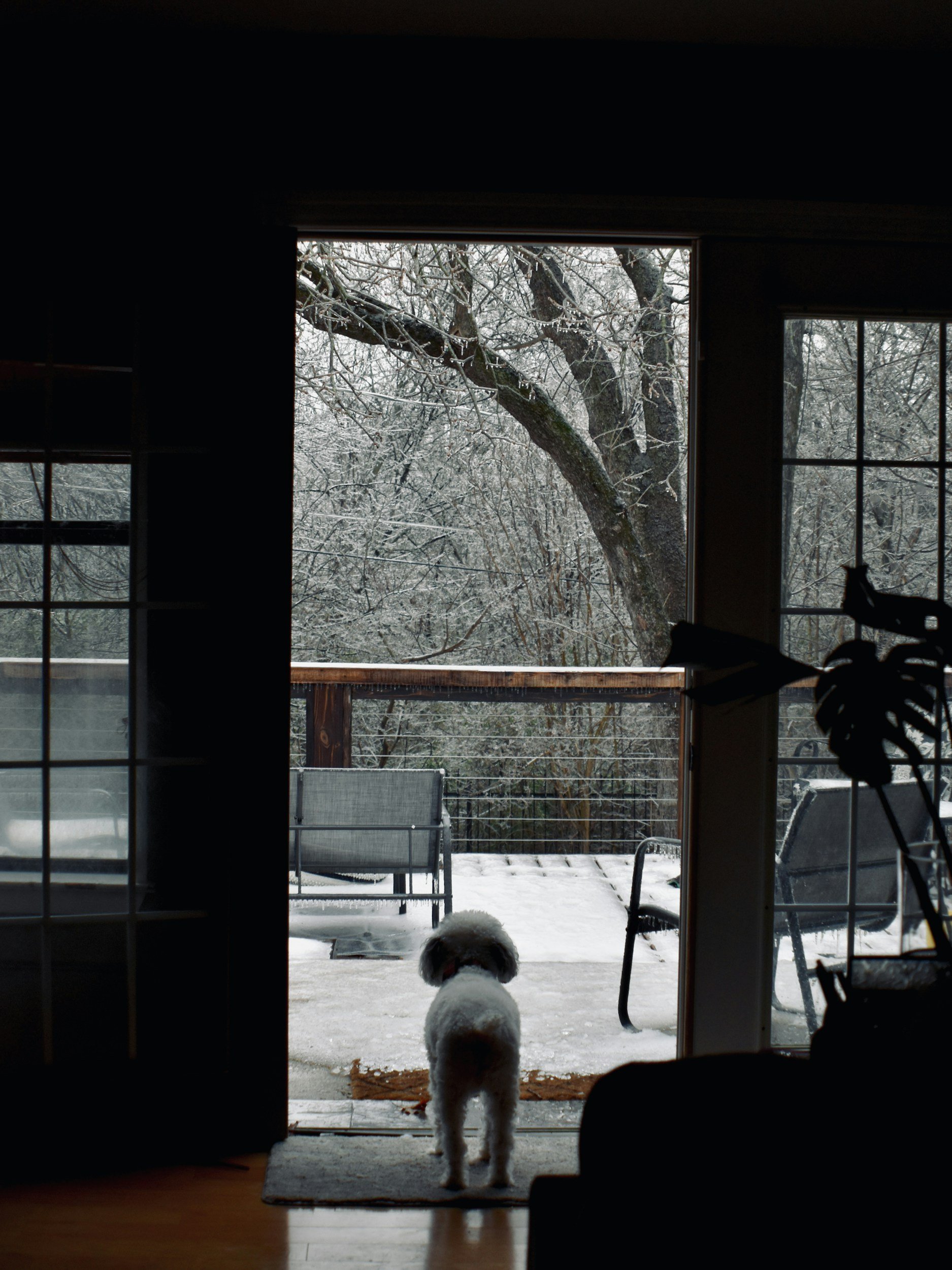
Weather and Separation Anxiety Training
Weather is completely out of our control! But that doesn’t mean we can’t help our dogs learn how to feel better while alone during weather events. Learn about how to adjust to and account for weather during your separation anxiety training. Plus, get some ideas about how to help your dog feel calmer while alone and during weather events like storms, thunder, lightning, rain, and more!
So how does Pet Positive Training’s separation anxiety program work?
Our hybrid training and education program lets you affordably work one-on-one with a dog separation anxiety expert. Start your training right with a behavior assessment. Then 5 Months of learning Modules get lower in price while you start training your dog more independently with all the skills and support you need. After the 5 month program you are empowered with everything you need to decide what level of ongoing certified separation anxiety trainer support makes sense for you, your dog, and your budget. Learn more about the Dog Separation Anxiety Training Program and how it helps relieve stress and anxiety for both you and your dog.
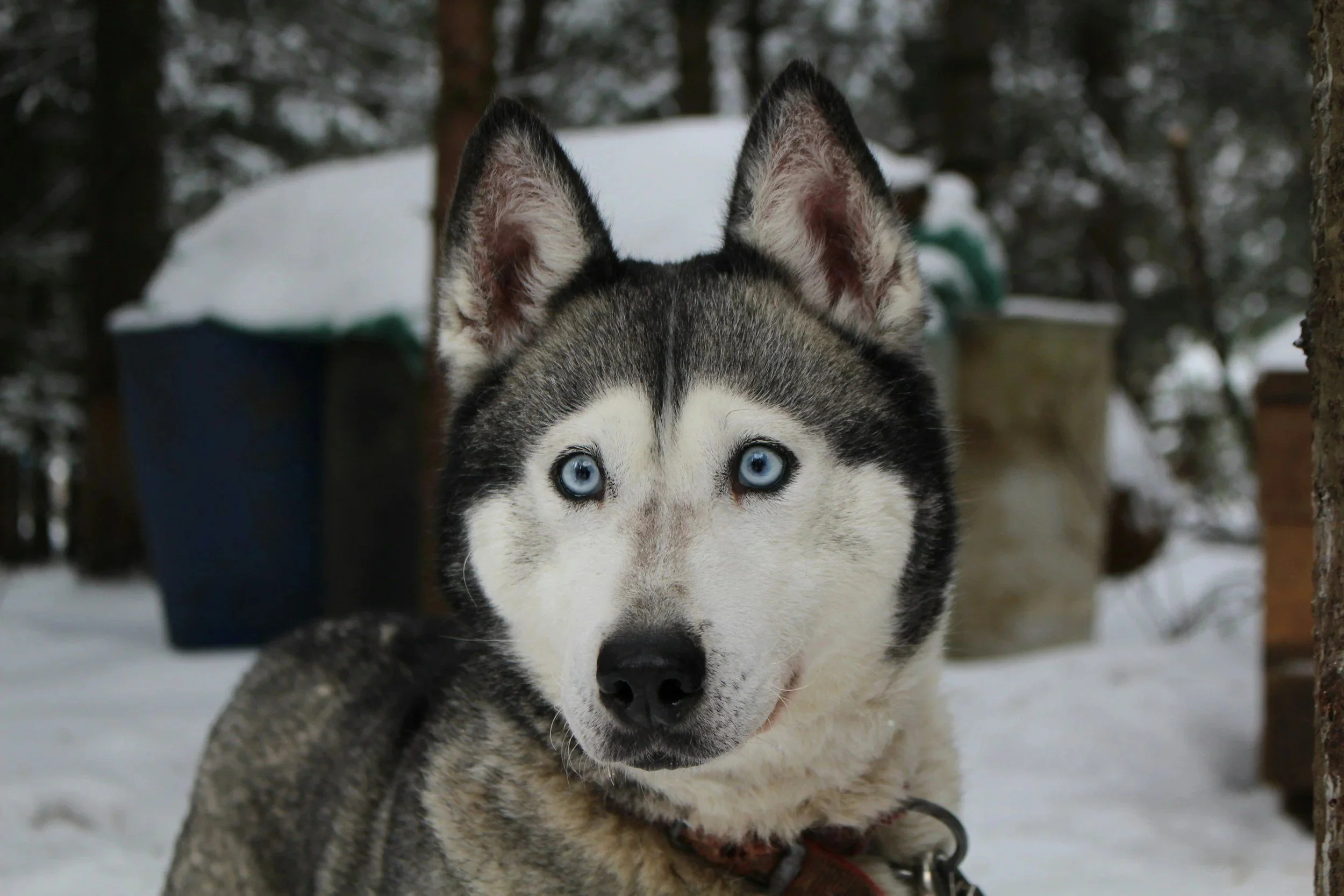
Why did my dog start behaving this way?!?
Some dogs may seem to suddenly develop separation anxiety, reactivity, or other surprising and undesirable behaviors.
When deciding what training or management to use, consider possible causes of the behavior change.
Body or health changes, Changes to schedule or household dynamics, New or bad experiences, Age, or Unrecognized/Ignored body language communication could all be factors.

Music and Sound for Anxious Dogs
While music or sound will not solve your dog’s anxiety or separation anxiety on its own, it can be an amazing tool to help your training! However, learn to know what products for anxious dogs are good and which are no good. Do NOT use the RelaxoPet Pro as this product uses inappropriate and potentially dangerous high frequency sounds instead of only relaxing music.
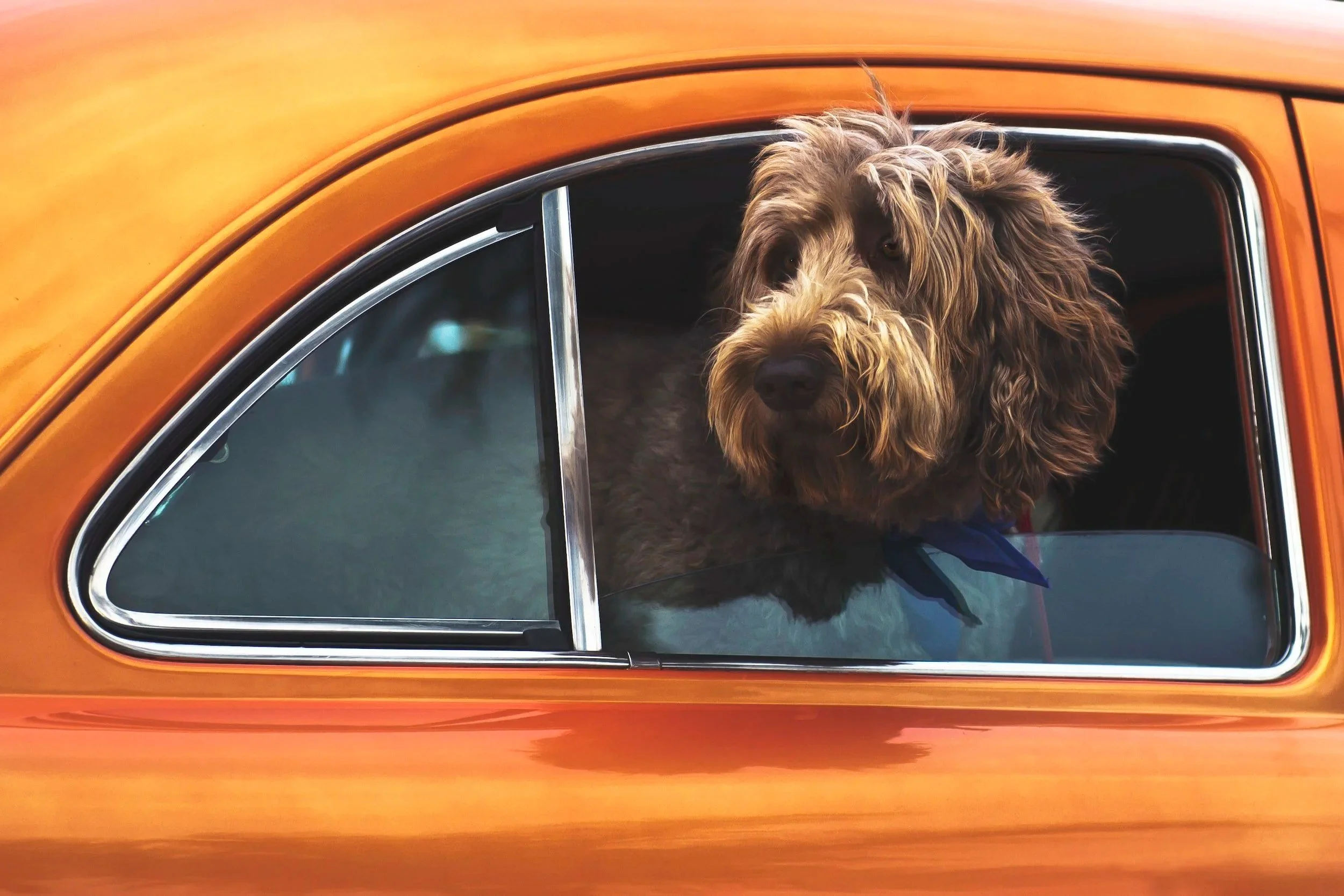
Creative ways to “suspend absences” during separation anxiety training for dogs
In order to start a separation anxiety protocol for your dog(s) you first need to stop exposing them to the thing that is making them so upset - being alone. This looks different for every dog but these are my go-to recommendations.